
Top 10 Mobility Aids for Seniors in 2025
By Kevin Simmons |

Maintaining mobility is key to independence for seniors—and the right equipment can turn difficult daily routines into confident, comfortable movement. In 2025, mobility aids are lighter, easier to adjust, and designed with real-world use in mind: safer grips, better braking, fold-flat frames, and accessories that make errands, appointments, and walks around the block less tiring.
Below you’ll find our favorite options across categories: rollators for all-day stability, canes for quick trips, scooters for longer distances, and bathroom supports that reduce slip risk. For each pick, we explain who it’s best for and what features matter (adjustability, storage, weight handling, maintenance). Tip: measure doorways and trunk space before buying, and practice proper height setup—handles near wrist crease with shoulders relaxed—for optimal posture and control.
1. Drive Medical Rollator with Removable Back Support

This lightweight four-wheel rollator balances stability with maneuverability, making it a dependable choice for both indoor hallways and outdoor sidewalks. The padded seat and removable backrest create a safe resting spot during longer outings, while the adjustable handles help you set an ergonomic height to reduce shoulder and wrist strain.
Locking hand brakes assist on ramps and uneven surfaces, and the under-seat pouch keeps essentials close (keys, phone, medication). The frame folds for transport and storage—handy for car trunks or small closets. Best for seniors who want all-day support with the flexibility to sit when needed, without carrying a separate seat.
2. Walking Cane – Foldable & Adjustable

A good cane provides a quick balance boost for short walks and crowded spaces where a rollator is too bulky. This foldable, height-adjustable design packs into a bag or glovebox, so you always have support nearby. Many models include a wrist strap and a pivoting base that keeps more of the foot in contact with the ground for traction.
Set the height so the handle meets the wrist crease while standing upright. If you’re between sizes, choose the lower setting first—over-high canes lift the shoulder and create strain. Best for seniors who need occasional support for errands, appointments, or navigating steps and curbs with confidence.
3. Vive 4-Wheel Mobility Scooter

For longer distances, a compact scooter can extend independence far beyond what a cane or rollator can cover. This 4-wheel model emphasizes stability and comfort: a padded, swivel seat for easier boarding, simple fingertip controls, and tires that handle everyday cracks and thresholds without jolts.
It disassembles into manageable pieces for car transport and storage, and the battery is straightforward to charge. Best for seniors who want to tackle grocery runs, outdoor paths, or museum visits without worrying about fatigue. Tip: check turning radius for tight indoor spaces and confirm local rules for sidewalks and public areas.
4. MAIDeSITe Electric Lift Chair

Rising from low seating can be one of the toughest daily movements. A powered lift chair assists from sit to stand in a controlled, upright path that reduces strain on knees and hips—and reduces the need to “push” through armrests. The waterproof, easy-wipe surfaces simplify cleanup, while an anti-slip base keeps the chair steady as it lifts.
Ideal for seniors with arthritis, post-surgery precautions, or balance concerns who still want to use the living room as a central, social space. Consider measuring seat height and the distance to side tables to ensure the lift path remains unobstructed, and always follow weight and placement guidance from the manufacturer.
5. Drive Medical Premium Shower Chair

Wet floors and soap suds make bathrooms the most hazardous room in the home. A rust-resistant shower chair adds a stable base and reduces fatigue when washing. Adjustable legs dial in the right height, and non-slip feet hold the chair in place on textured floors. A contoured seat improves comfort and drainage holes help water escape for better hygiene.
Pair with a handheld shower head to avoid twisting, and add a non-slip bath mat outside the tub for safe exits. Best for seniors who tire while standing, have a history of slips, or are regaining strength after hospitalization or joint procedures.
6. Stromberg-Carlson AM ZIP39T Lend-A-Hand
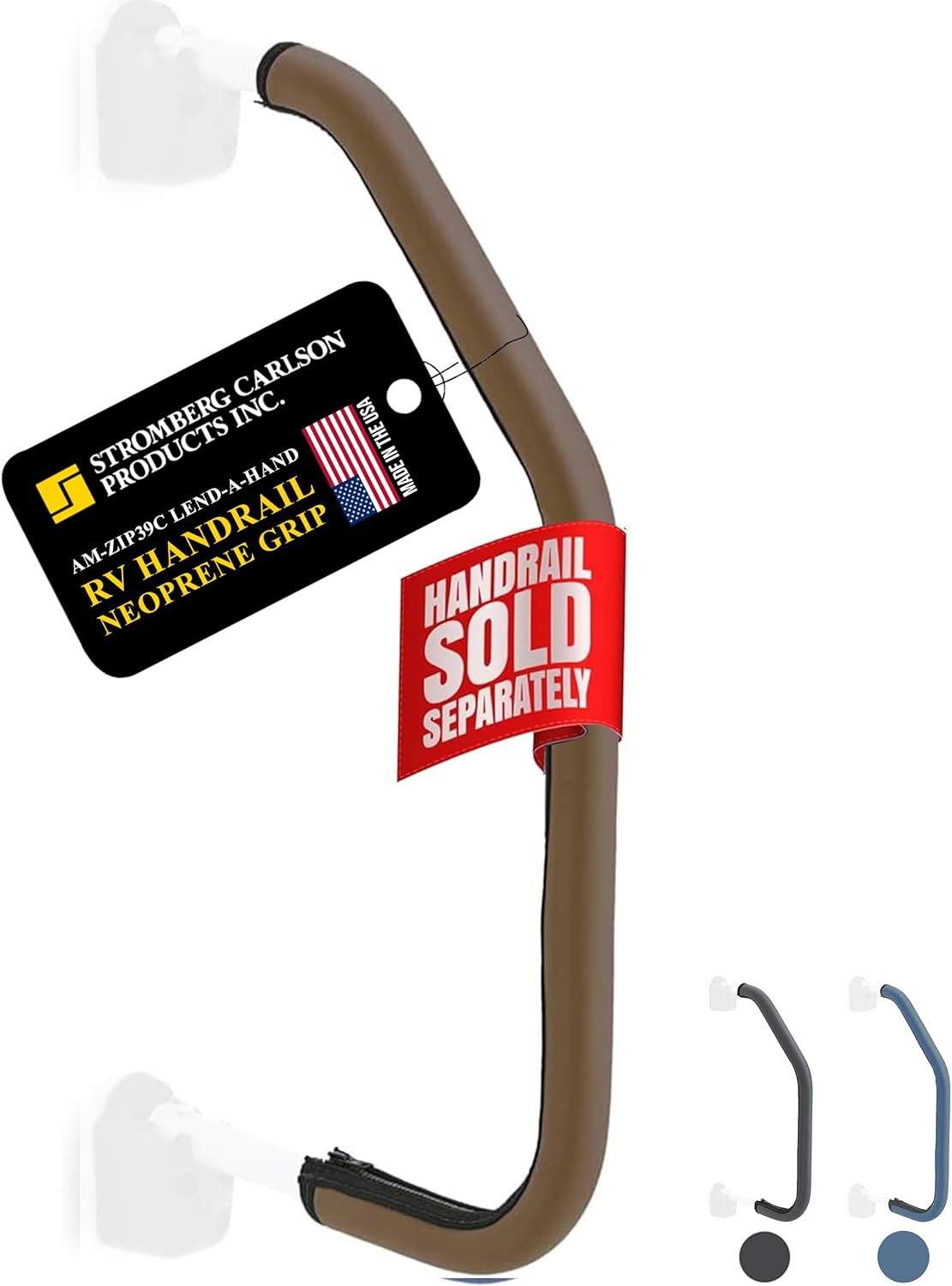
A sturdy, well-placed handle can transform tricky transitions—like stepping up, getting into a vehicle, or clearing a porch threshold—into smoother, safer movements. This support bar provides leverage where you need it most and folds away when not in use to reduce clutter.
Mount it securely with appropriate hardware into solid structure, and test the angle that feels strongest during the step or turn you perform most often. Best for seniors who want a minimal, permanent aid that complements canes or rollators rather than replacing them.
7. Kasa Smart Pan-Tilt Camera with Motion Detection

While not a mobility device, smart monitoring supports safer, more independent living. A pan-tilt camera lets family or caregivers check in remotely, receive motion alerts, and use two-way audio for quick reassurance. It’s also useful for monitoring entryways and detecting unusual nighttime movement.
Place the camera to cover common walking paths (bedroom → hallway → bathroom) without capturing private areas. Secure your Wi-Fi, use strong passwords, and review privacy settings. Best for seniors living alone who want discreet oversight without on-site caregivers.
8. OasisSpace Narrow Folding Walker

Standard walkers can feel too wide for older homes with tight doorways. This narrow, foldable frame fits smaller spaces and stows quickly. Padded grips enhance comfort, and optional glide skis help the walker move smoothly over low-pile rugs and tile.
Best for seniors who need more stability than a cane but want a compact, easy-store solution. If you often travel by car, measure trunk space; a walker that folds flat keeps loading simple. Consider adding a small caddy or pouch for phones and glasses, so hands remain on the grips where they belong.
9. Medical Guardian MGMini Emergency Alert

Quick access to help is essential after a fall or medical event. Compact alert devices keep a call button within reach at home or on the go and connect to trained agents who can dispatch assistance. Many systems support location sharing and optional fall detection plans (check model and subscription details).
Wear it consistently (neck lanyard or clip) and test monthly so everyone knows what to expect. Best for active seniors who value independence but want the reassurance of rapid response—especially those living alone or with a history of falls.
10. Women’s Orthopedic Diabetic Walking Shoes

Foot comfort determines how far and how often we walk. Orthopedic, diabetic-friendly shoes use a wider toe box to reduce pressure, cushioned insoles to absorb impact, and supportive outsoles for traction. Adjustable closures help fine-tune fit for swelling across the day.
Measure feet late in the day while wearing the socks you’ll use; check that the longest toe has room to wiggle. Best for anyone who experiences hot spots, balance concerns on slick floors, or foot sensitivity that discourages daily walks—these make movement more inviting and safer.
Conclusion
The best mobility aid is the one you’ll actually use every day. Start by matching the tool to the task: a rollator for longer walks with rest breaks, a cane for quick balance boosts, a scooter for distance, and reliable bathroom supports to reduce slips. Small upgrades—proper shoe fit, strategic grab points, and brighter night lighting—compound to create a safer routine.
Before purchasing, note door widths, storage space, and how you’ll transport the device. Prioritize adjustability, easy maintenance (wipe-clean surfaces, simple charging), and clear instructions. Most importantly, practice: short sessions indoors, then outside on familiar routes. With the right setup and a little coaching, seniors can move further, recover faster, and stay independent in 2025 and beyond.
← Back to Blog